Nursing (MSN)
Have questions? We make it easy to get in touch:
Call Us
800-837-1290
Text Us
412-419-3772 (standard text/SMS rates will apply)
Email Us
Request Information
Or, answer a few questions and we will be glad to help.
Loading...
Nursing (MSN) Overview
Chatham University’s Master of Science in Nursing (MSN) program is delivered fully online with working nurses in mind. This affordable program offers faculty expertise and support in an interactive learning environment that encourages reflection and growth in professional practice. Through exposure to evidence-based practice, interprofessional collaboration, and experiential learning opportunities, students gain essential skill sets to advance in roles in one of our two tracks: nursing leadership or nursing education. The curriculum consists of nine 15-week courses. The Master of Science in Nursing program is routinely ranked as a “Best Online Program” by U.S. News and World Report.
Application deadline
Rolling
We evaluate applications on a rolling basis. Fall starts are available.
Credits required
33
The curriculum consists of 15-week MSN and specialty track courses to prepare nurses for a variety of advanced practice roles.
Cost per credit
$880
Cost consists of program tuition (cost per credit times number of credits) as well as any applicable University and degree-specific fees.
Accreditation
CCNE
The RN-BSN, MSN, and DNP programs at Chatham University are accredited by the Commission on Collegiate Nursing Education (CCNE).
Explore the MSN Degree:
The Chatham University online MSN program is a competency-based program in which students must be able to demonstrate not only what they know, but what they can do. It builds on the Bachelor of Science in Nursing foundation by preparing nurses to advance their careers as nurse educators or leaders in a variety of settings. A total of 500 practice experience hours will be obtained. Practice experiences are completed at approved practice experience sites, and an e-Portfolio is developed throughout the program to demonstrate curriculum competencies.
Today’s ever changing health care environment has created a need for nurses to be leaders in evidence based practice. Chatham’s MSN programs prepare graduates to improve health outcomes by using advanced leadership and education skills.
- Emily Hopkins, PhD, MSN, FNP, Associate Professor, MSN Program Coordinator, IRB Co-Chair
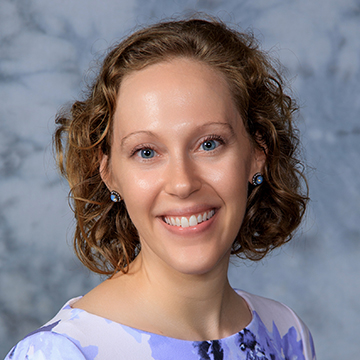
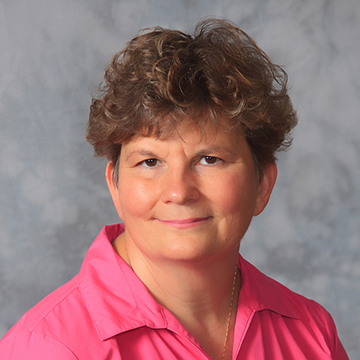
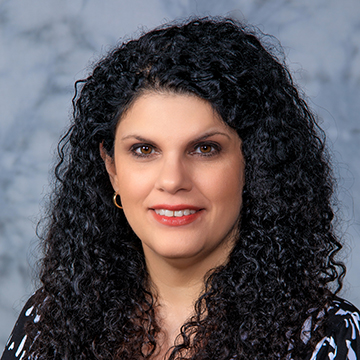
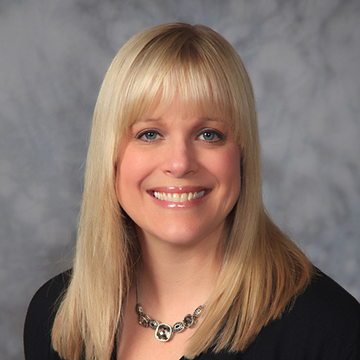
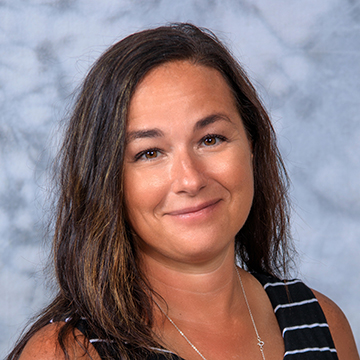
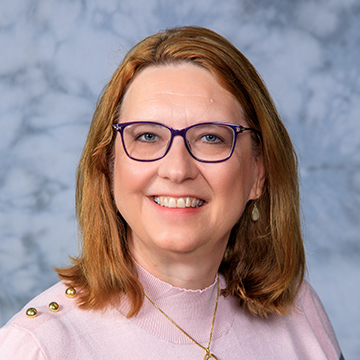
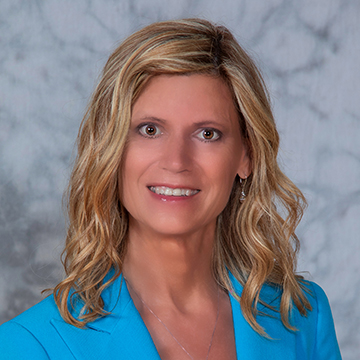
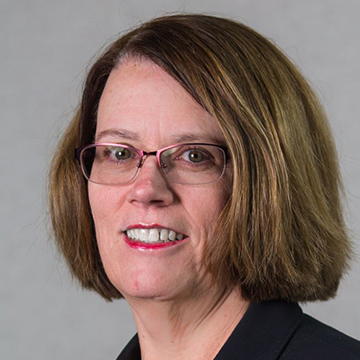
Our Faculty
Full Faculty


Timing
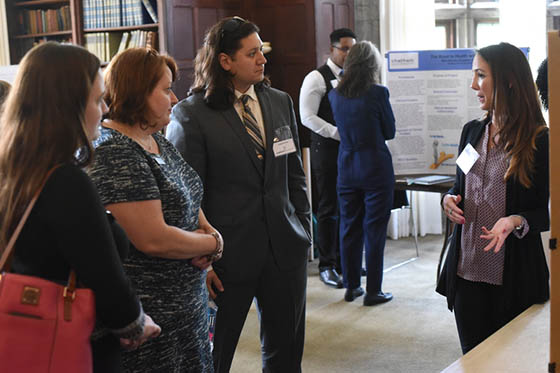
A cohort of students for each specialty track is admitted on a rolling basis. Students are able to complete the degree in five sequential semesters.

Funding Opportunities
The AfterCollege/AACN Scholarships support students who are seeking a baccalaureate, master's or doctoral degree in nursing. Eight $2,500 scholarships are awarded throughout the year. A limited number of nursing scholarships may be available. A FAFSA form must be completed and on file to be considered for the scholarship. To fill out the FAFSA, please visit their website and use the Chatham school code (003244).
View Funding Opportunities : Checkerboard 2 - Funding Opportunities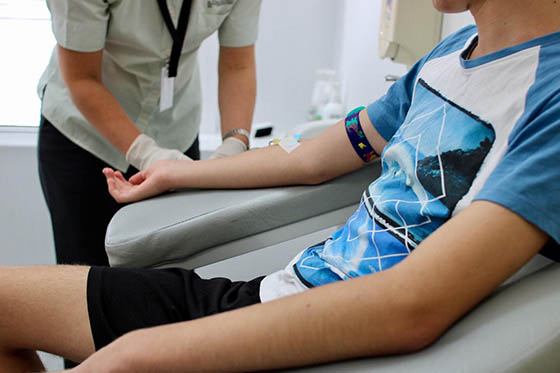
Nurse Educator Certificate
The Nurse Educator Certificate is a 12-credit certificate that provides with the basic educational tools necessary to teach nursing and/or nurses in an academic or clinical setting. The certificate can be completed in three terms.
Explore the Nurse Educator Certificate : Checkerboard 3 - Nurse Educator Certificate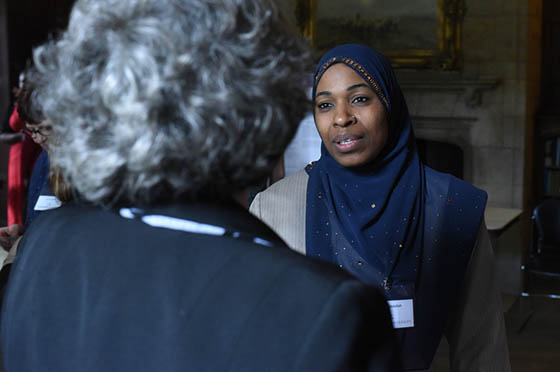
RN-to-MSN Educator Track
The RN-to-MSN Educator Track allows the student to complete two graduate degrees in 44 credits. The BSN component prepares the registered nurse to improve leadership and management skills in the role of the clinical nurse. The MSN educator track provides the student with the graduate level knowledge and skills to become educators to nurses and other healthcare professionals as well as patients in clinical, academic, medical device sales, pharmaceutical sales, continuing education, and healthcare insurance settings. A minimum of 500 practice experience hours will be completed.
Learn About RN-to-MSN : Checkerboard 4 - RN-to-MSN Educator Track
Alumni Workplaces
Graduates of Chatham’s MSN program have held positions in nursing education, practice, leadership, and quality assurance at organizations including The Children’s Hospital of Philadelphia, UPMC Shadyside School of Nursing, UPMC Hillman Cancer Center, Pennsylvania Department of Public Welfare, West Penn Allegheny Health System, Carlow University, and Vitas Healthcare.
SARA-Approved Participating Institution
Due to federal regulation, all universities offering distance education programs and practicum experiences in states other than their own must receive authorization or be a SARA-approved institution. Chatham University is a SARA-approved institution.
SARA-Approved Institutions : Checkerboard 6 - SARA-Approved Participating Institution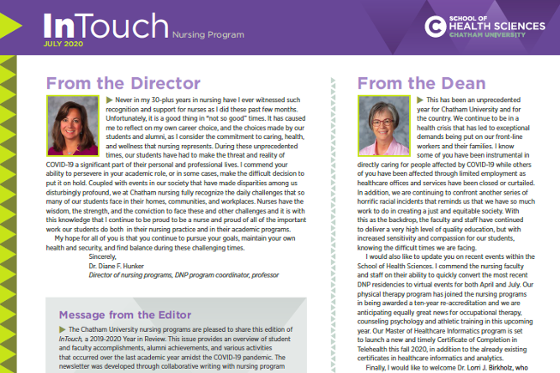
In Touch Newsletters
Learn about nursing student and faculty accomplishments, alumni achievements, and various activities that occurred over the last academic year—in Pittsburgh, and all over the country.
Read the Newsletter : Checkerboard 7 - In Touch Newsletters