Biology

Have questions? We make it easy to get in touch:

Call Us

800-837-1290

Text Us

412-419-3772 (standard text/SMS rates will apply)

Email Us

chathamadmissions@chatham.edu

Request Information

Complete our Request for Information form

Or, answer a few questions and we will be glad to help.

Loading...

Biology Overview

Earn a bachelor’s degree in biology at Chatham University and build a strong foundation in the study of living systems, from genes and cells to human health and disease. Students can pursue either a Bachelor of Science in Biology or a Bachelor of Arts in Biology, depending on their academic interests and career goals.

The biology major offers two tracks. The cell and molecular biology track prepares students to study genetics, microbiology, and cellular processes and is well-suited for those interested in research, medicine, or graduate education. The human biology track focuses on the biological sciences that support careers in healthcare and includes the prerequisite courses for Chatham’s Master of Physician Assistant Studies program.

Students interested in biology through the study of ecosystems, conservation, and environmental change may also consider Chatham’s environmental science major.

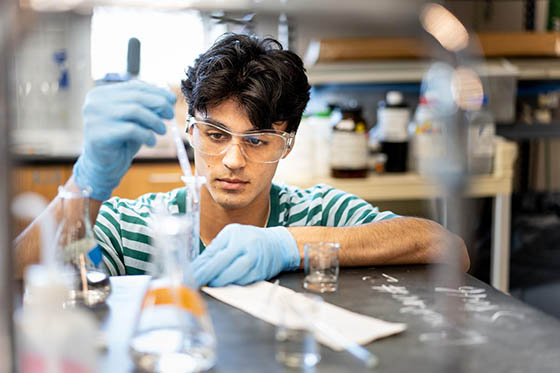
One of the strengths of our Biology program is the flexibility students have to explore different areas of science and discover where their interests take them. Along the way, they have opportunities to get involved in research and other hands-on experiences while building the scientific, analytical, and communication skills they’ll need for graduate or professional school, their first job, and whatever comes next.

— JOHN DUBÉ, Ph.D., Chair of Science Department, Director of Pre-Health Advising, & Professor of Biology

Courses & Curriculum

Chatham’s biology curriculum builds knowledge and practical skills across the biological sciences through a structured sequence of coursework. Students develop experience in scientific inquiry, laboratory methods, data analysis, and biological problem-solving as they progress through the program.

Explore Biology Curriculum : Checkerboard 1 - Courses & Curriculum
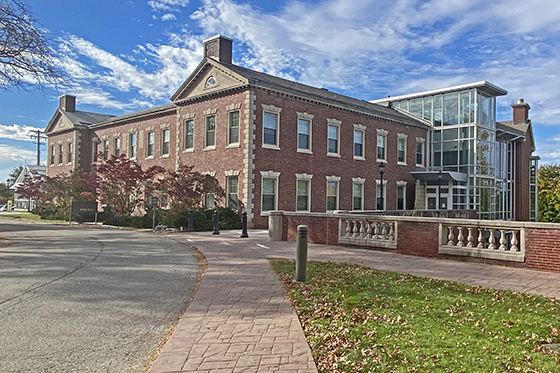
Buhl Science Complex on Chatham University's Shadyside Campus

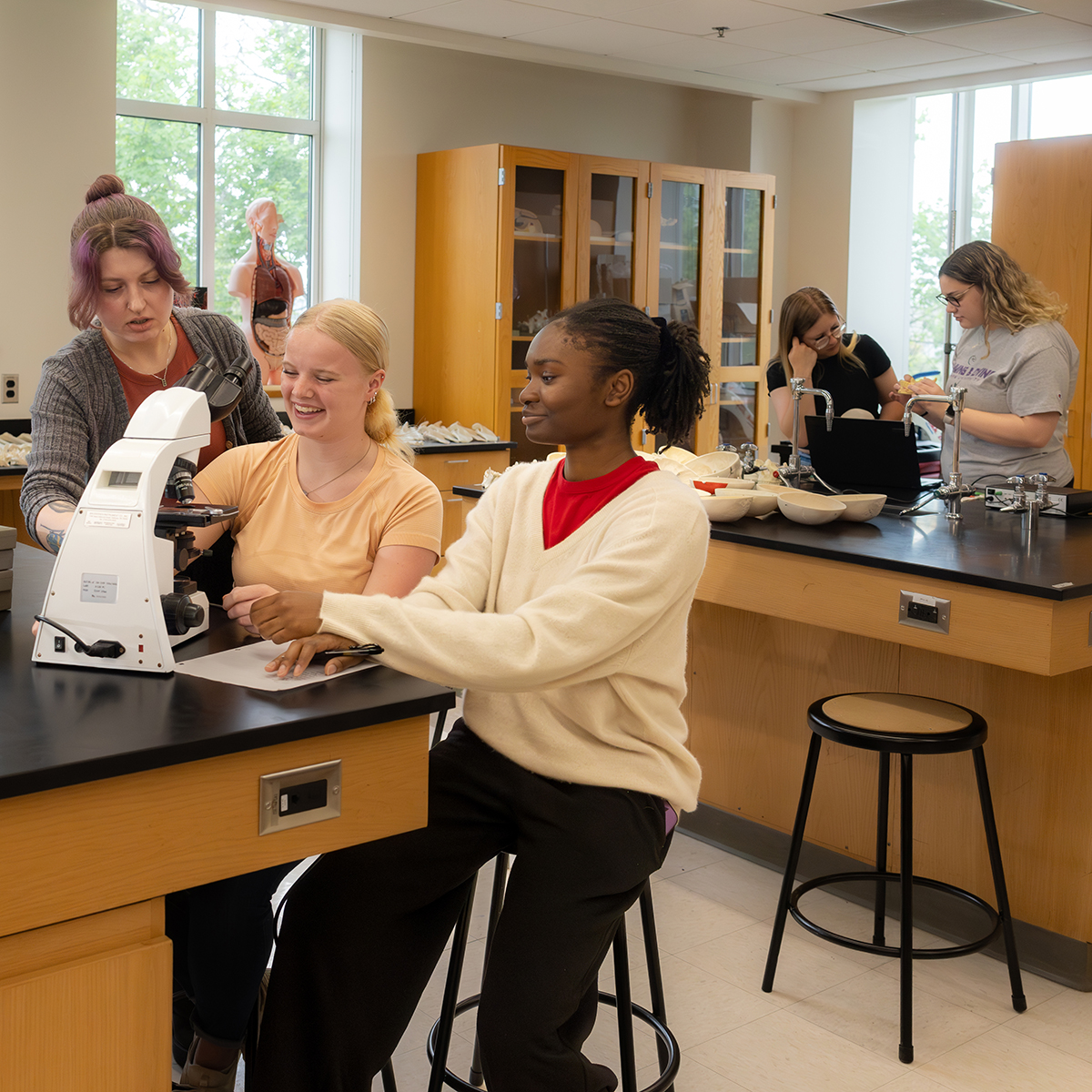
Biology Labs in the Buhl Science Complex

Biology students build laboratory and research skills in Chatham’s 10,000-square-foot Buhl Science Complex. The facility includes teaching laboratories, specialized research spaces, classrooms, and a three-story glass atrium. Students also have access to facilities and equipment that support learning and research across cellular and molecular biology, human biology, microbiology, physiology, environmental biology, and biochemistry, including:

  • Cell and tissue culture facilities
  • Microscopy and biological imaging equipment
  • Molecular and cellular biology laboratory equipment
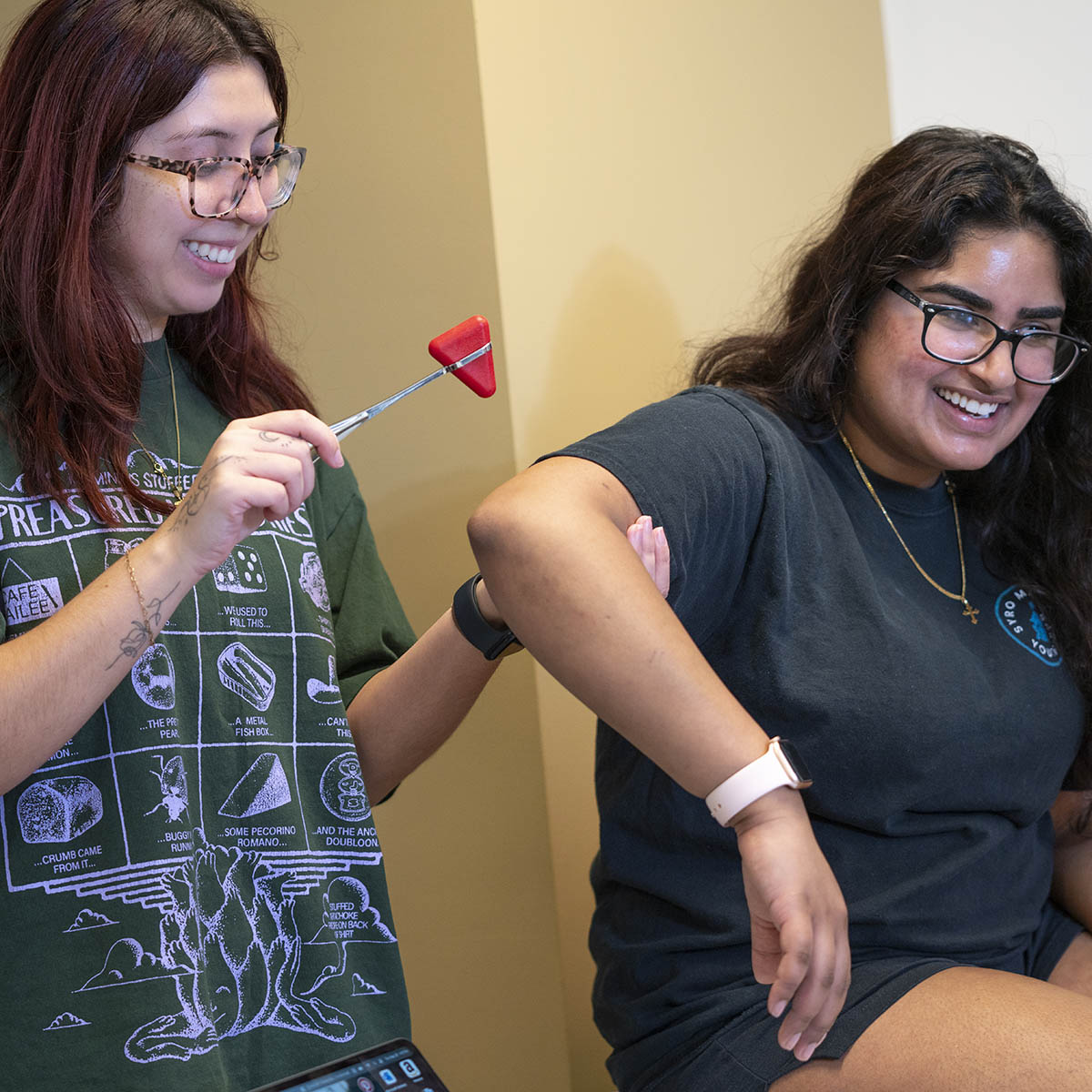
  • Human biology and physiology teaching resources
  • Instrumentation for chemical and biochemical analysis 
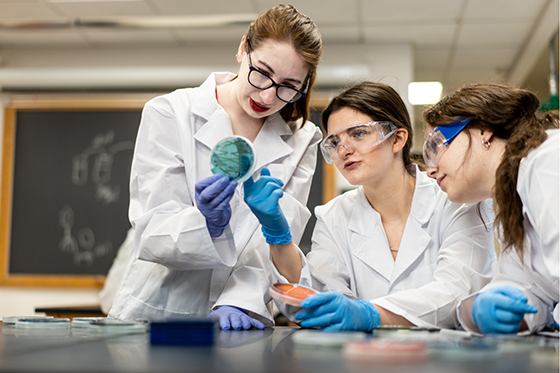
These resources allow students to move beyond the classroom by designing experiments, collecting and analyzing data, learning modern laboratory methods, and participating in faculty-mentored research.

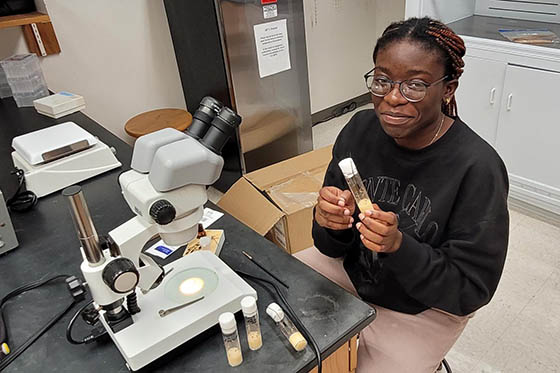
Photo of a young Black woman wearing khakis and a black sweatshirt, sitting on a stool in front of a microscope and holding a test tube

Faculty-Guided Biology Research Opportunities

Gain undergraduate biology research experience through guided projects that connect scientific theory with practical investigation. Students can explore topics such as:

  • Human physiology
  • Evolution
  • Microbiology
  • Environmental chemistry
  • Computational modeling
Research experience helps biology students strengthen skills in scientific inquiry, data analysis, laboratory methods, and communication while preparing for capstone work, graduate education, and research-related careers.

View Research Opportunities : Checkerboard 4 - Faculty-Guided Biology Research Opportunities
Photo of a young Black woman wearing khakis and a black sweatshirt, sitting on a stool in front of a microscope and holding a test tube

Biology Fieldwork at Eden Hall Farm

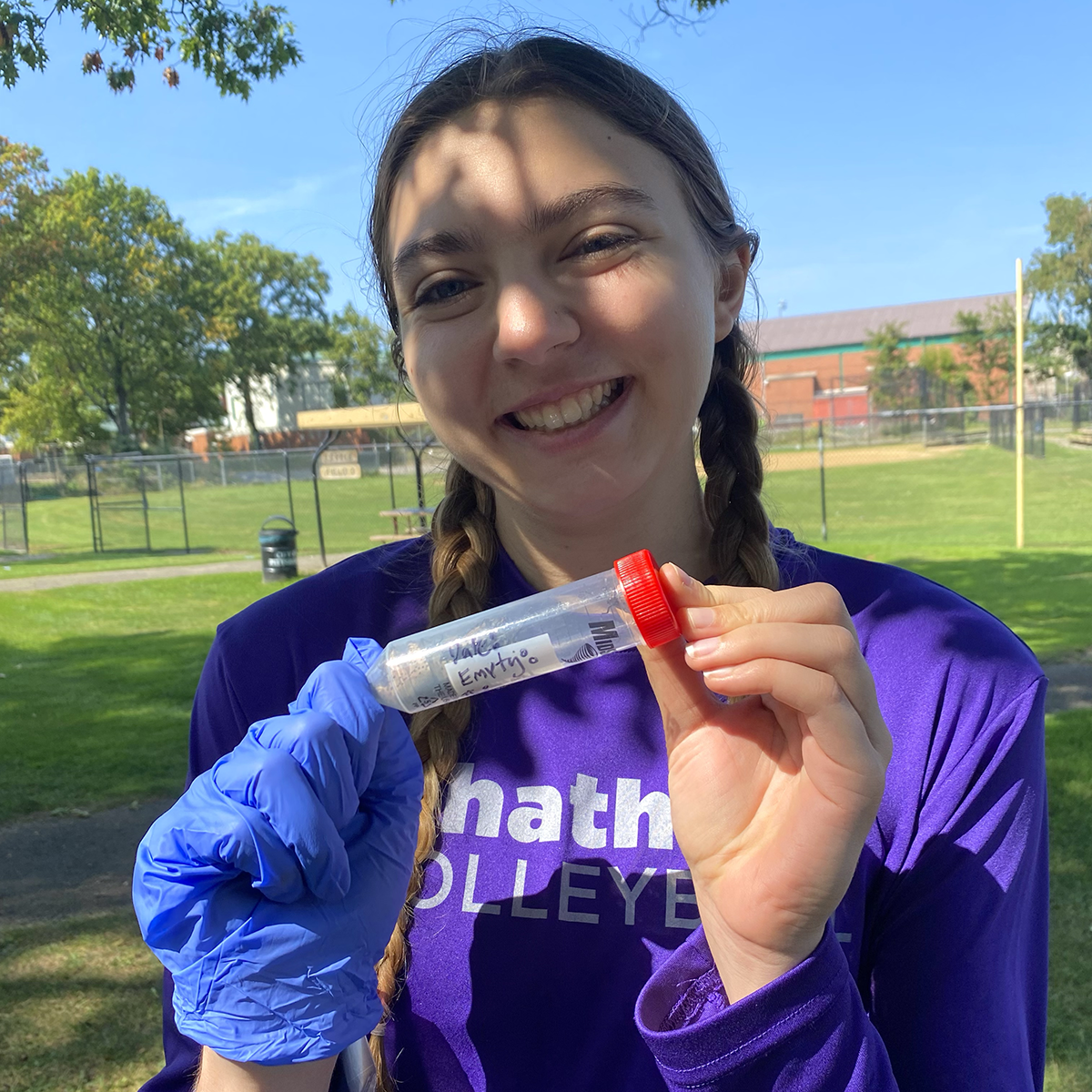
Chatham’s 388-acre Eden Hall Farm expands scientific learning beyond the traditional laboratory. Its woodlands, streams, and research facilities provide an outdoor setting for field-based exploration connected to biology, ecosystems, and sustainability. Students interested in ecological and environmental applications of biology can study living systems in a setting designed to support sustainability education and research.

Explore Eden Hall : Checkerboard 5 - Biology Fieldwork at Eden Hall Farm
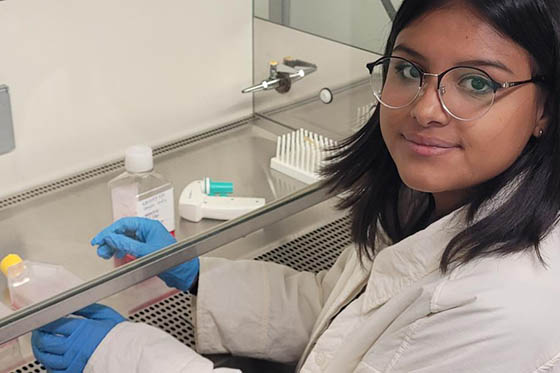
Photo of a young woman with glasses, wearing a lab coat and blue latex gloves, poses for a photo while working in a lab

Funding Opportunities

Biology students may pursue funding to expand their research experience beyond the classroom. The Hulme Award, a Chatham funding opportunity, can support eligible students conducting summer research, traveling for research activities, attending professional conferences, and presenting or developing work related to their academic interests. These opportunities can help students build experience before completing their capstone research project and prepare for graduate study or scientific careers.

Decorative image reading Faculty Listing

Faculty Mentorship for Biology Students

Chatham biology students learn from engaged faculty who connect scientific concepts with current research and real-world applications. In Chatham’s close-knit academic environment, students can build relationships with professors through coursework, laboratory learning, research projects, and academic advising. Faculty mentorship can help students identify emerging interests, choose a concentration, and prepare for research, graduate education, or careers in biology and healthcare.

Meet the Faculty : Checkerboard 7 - Faculty Mentorship for Biology Students
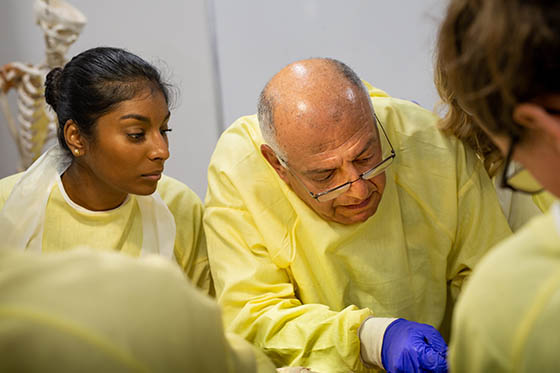
Photo of a medical professional surrounded by students in yellow protective suits and medical caps, perform a medical procedure.

Human Anatomy and Cadaver Lab Experience

Chatham’s human cadaver lab provides opportunities for hands-on education in anatomy and the study of disease. Through available lab visits, interested students can deepen their understanding of anatomical structures, dissection, and surgical techniques in a practical learning environment. This experience can be especially valuable for human biology students preparing for graduate education and careers in medicine, physician assistant studies, and other health professions.

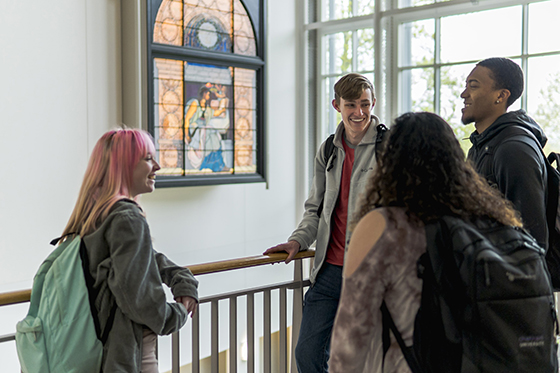
Photo of a group of four Chatham University students laughing after class in brightly lit academic building with a stained glass window.

Student Organizations

Biology majors can connect with classmates, build leadership experience, and pursue shared interests through student organizations such as:

  • The Pre-Physician Assistant Club
  • The Pre-Occupational Therapy Club
  • MEDLIFE
  • The Science DEI Association
Eligible students may also apply for membership in Beta Beta Beta, the national biological honor society. Together, these organizations offer ways to build community, explore professional interests, and stay involved beyond the classroom.

Explore Clubs & Organizations : Checkerboard 10 - Student Organizations

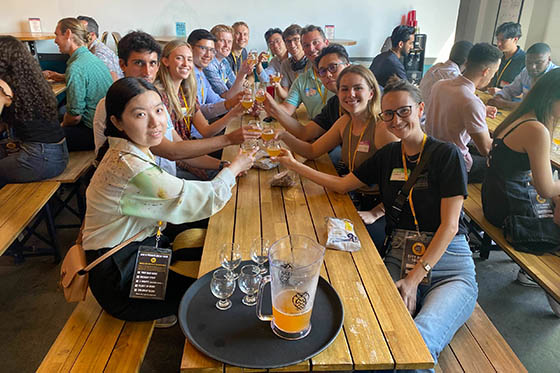
Nucleate Pittsburgh and Biotechnology Innovation

Chatham participates in the Pittsburgh chapter of Nucleate, a student-led organization that supports future biotechnology leaders and bio-innovators. Through this connection, students can engage with Pittsburgh’s life sciences community and learn more about biotechnology, scientific entrepreneurship, and the process of moving biological discoveries toward practical applications.

Explore Nucleate Pittsburgh : Checkerboard 11 - Nucleate Pittsburgh and Biotechnology Innovation

Graduate Study After a Biology Degree

A Chatham biology degree prepares students to continue into graduate and professional programs in biology, medicine, dentistry, and related health fields.Chatham biology students have been accepted to institutions including:

  • Boston University School of Medicine
  • Lake Erie College of Osteopathic Medicine
  • University of Delaware 
  • University of Michigan Medical School
  • University of Pittsburgh
  • University of Pittsburgh School of Dental Medicine
  • University of Rochester School of Medicine and Dentistry
Through biology coursework, research, faculty mentorship, and pre-health advising, students can build the academic preparation needed for advanced study.

Careers With a Biology Degree

A biology bachelor’s degree supports careers across research, healthcare, biotechnology, education, and related scientific fields. The knowledge students build in laboratory methods, scientific inquiry, data interpretation, and communication also prepares them for graduate or professional education. Chatham biology graduates have gone on to work with organizations including:

  • Ohio University
  • Duquesne University
  • UPMC
  • University of Pittsburgh Cancer Institute
  • University of Rochester Medical Center
Depending on their concentration, experience, and level of education, graduates may pursue work in laboratory research, healthcare support, biotechnology, public health, or scientific education.

Biology Degree

Do you have questions?

We make it easy to get in touch:

Call Us

800-837-1290

Text Us

412-419-3772 (standard text/SMS rates will apply)

Email Us

undergraduate@chatham.edu

Request Information

Complete our Request for Information form

Or, answer a few questions and we will be glad to help.

Loading...
Expand to Get In Touch!