
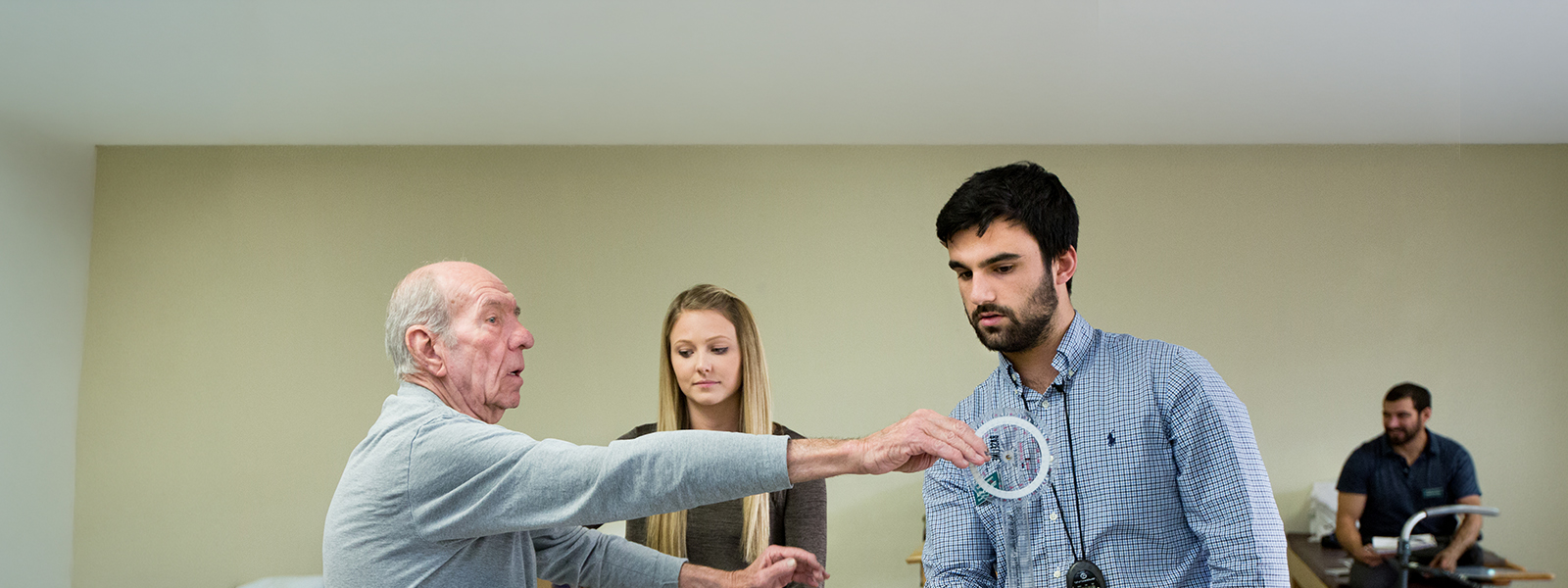
Is a Doctor of Physical Therapy Worth It? A Cost-Benefit View
Most people drawn to physical therapy already know they want to help people live healthy, active lives with improved mobility. The harder question is whether the DPT's cost and time commitment make sense compared to career satisfaction and salary potential. This guide explores what a DPT prepares students to do, compares the DPT and physical therapy assistant (PTA) paths, and explains both the costs and rewards of pursuing a Doctor of Physical Therapy as a degree and career.
What the DPT qualifies graduates to do
The DPT qualifies graduates to evaluate patients, diagnose mobility-related conditions, and design treatment plans independently, without a physician's approval or another clinician's supervision.
This level of independence is what separates a DPT from every other role in rehabilitation. For example, a physical therapist with a DPT can open their own private practice, work in a shared clinic or hospital, or partner with an assisted living community.
The DPT is the entry point for full clinical authority, and there is no shorter path to it.
Beyond day-to-day practice, the degree opens doors that remain closed to other roles in mobility and rehabilitation:
- Specialization: Pursue residencies and board certifications in areas like orthopedics, sports, pediatrics, or neurology.
- Direct access: In most states, qualify to treat patients without a physician referral.
- Practice ownership: Only licensed PTs can open and operate a physical therapy clinic.
Doctor of Physical Therapy vs. Physical Therapy Assistant
The DPT vs. PTA comparison comes down to differences in autonomy, time, and cost. PTAs complete a two-year associate degree, enter the workforce quickly, and have much lower education costs. PTAs earn a median salary around $60,000, which is less than the median salary of $101,000 among PTs but they also start earning back their career costs sooner, which matters when calculating worth and return on investment (ROI).
For aspiring physical therapy professionals, the real question isn't which path pays more in the long run. It's what kind of work they want to do every day:
- Physical therapy assistants focus on hands-on patient care with clear boundaries and less administrative responsibility.
- Physical therapists carry more clinical decision-making authority, more career flexibility, and more options for advancement, but also higher education costs and a longer road to licensure.
For example, PTAs perform hands-on treatment but must work under a PT's supervision and cannot independently treat patients or change a care plan.
If you're drawn to the diagnostic and planning side of rehabilitation, the DPT makes sense. If you want to work directly with patients without the added years and cost, the PTA path is a legitimate and rewarding alternative.
Calculating the cost and return of a DPT
The DPT requires three years of graduate school after a four-year bachelor's degree — seven years of education total. Tuition and program fees vary widely between public in-state and private PT schools, and living expenses can add up quickly during those three years when students are not earning a full income.
The less obvious cost is opportunity cost, which is the income a student is not earning while in school. Adding tuition, living expenses, possible relocation costs, and forgone earnings together, the total investment is significant. Many graduates enter the workforce carrying substantial student loan debt, often more than their starting salary.
The graduates who come out ahead financially are the ones who choose their program, employment setting, and repayment strategy with equal care.
How federal loan forgiveness works for DPTs
Federal loan programs can significantly improve the return on a DPT investment when students plan around them. Public Service Loan Forgiveness (PSLF) forgives remaining federal loan balances after 10 years of qualifying payments while working for a nonprofit hospital, government facility, or qualifying school. Many PTs work in exactly these settings, which means PSLF can be a realistic option in the long-term.
Income-driven repayment plans cap monthly payments based on what the federal student loan borrower earns, not what they owe. For a new graduate carrying significant debt on a starting PT salary, this can make loan payments manageable while building a strong career. The key is choosing a repayment strategy intentionally before qualifying for federal loan forgiveness.
How earnings vary by setting and specialization
As noted, the national median salary for physical therapists is around $101,000 per year, but new graduates typically take some time to grow to the median compensation in their region. In addition to regional job markets, individual salaries depend on where PTs work and what they specialize in.
- Home health and skilled nursing roles often pay the highest hourly rates, but come with demanding workloads.
- Hospitals and acute care settings offer strong benefits packages and more predictable schedules.
- Outpatient clinics vary widely; a salaried employee at a large chain will earn significantly less than a practice owner.
- School-based or pediatric PTs tend to trade lower pay for better hours and work-life balance.
Salaries tend to grow meaningfully with experience and specialization. PTs who pursue board certification in high-demand areas like orthopedics or sports often see faster income growth than those who remain generalists. Board certification is available through clinical experience and examination, with or without a formal residency, though residency training typically accelerates the process.
When the investment makes sense
The degree tends to pay off financially and professionally for people who are genuinely drawn to the specific work of physical therapy. That means the clinical reasoning, the hands-on mobility and rehabilitation, the long-term patient relationships, and the autonomy to make treatment decisions.
A few factors that improve the return:
- Choosing a lower-cost program without sacrificing accreditation quality reduces the debt PTs carry into their career.
- Working in PSLF-qualifying settings early in a career can dramatically reduce total loan repayment.
- Pursuing specialization in high-demand areas accelerates income growth over time.
- Practicing in mid-sized cities often means competitive PT salaries with lower living costs than major metros.
The DPT is a long-term investment and a meaningful one. The people who find it most worthwhile are those who stay in the field, grow into specialization, and build careers around the work itself, not just the credential.
Why Chatham's DPT program is worth a closer look
Chatham University's Doctor of Physical Therapy program is built into Pittsburgh's healthcare network, so that clinical rotations happen inside real hospital systems and specialty practices — not simulated environments. Students complete rotations at UPMC, Allegheny Health Network, and other Pittsburgh-area systems, building professional relationships that often lead directly to job offers.
Pittsburgh's cost of living also makes a practical difference. New graduates can manage costs or loan payments on starting PT salaries more comfortably here than in cities with higher costs of living, which improves the ROI from day one.
The DPT program's small cohort structure means faculty know student’s goals and can connect them with clinical opportunities that match their interests, whether that's sports rehabilitation, pediatrics, or acute care. That kind of mentorship matters most when navigating competitive residency applications or deciding between specialization paths — decisions that shape the first decade in the field.
If this sounds like a future you could invest in, explore Chatham's DPT program and connect with Admissions to talk about next steps. We look forward to helping you prepare to lead what’s next.